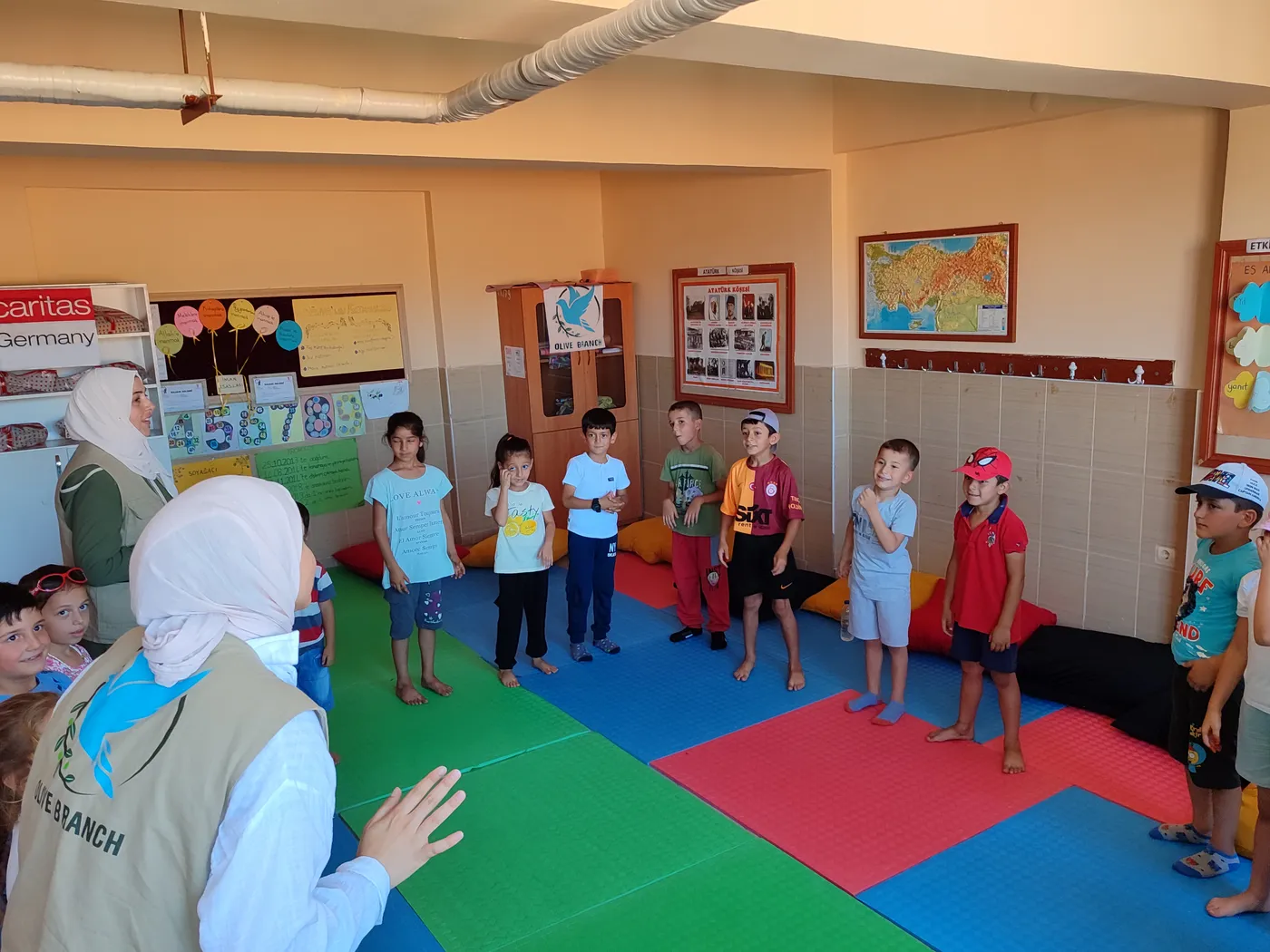
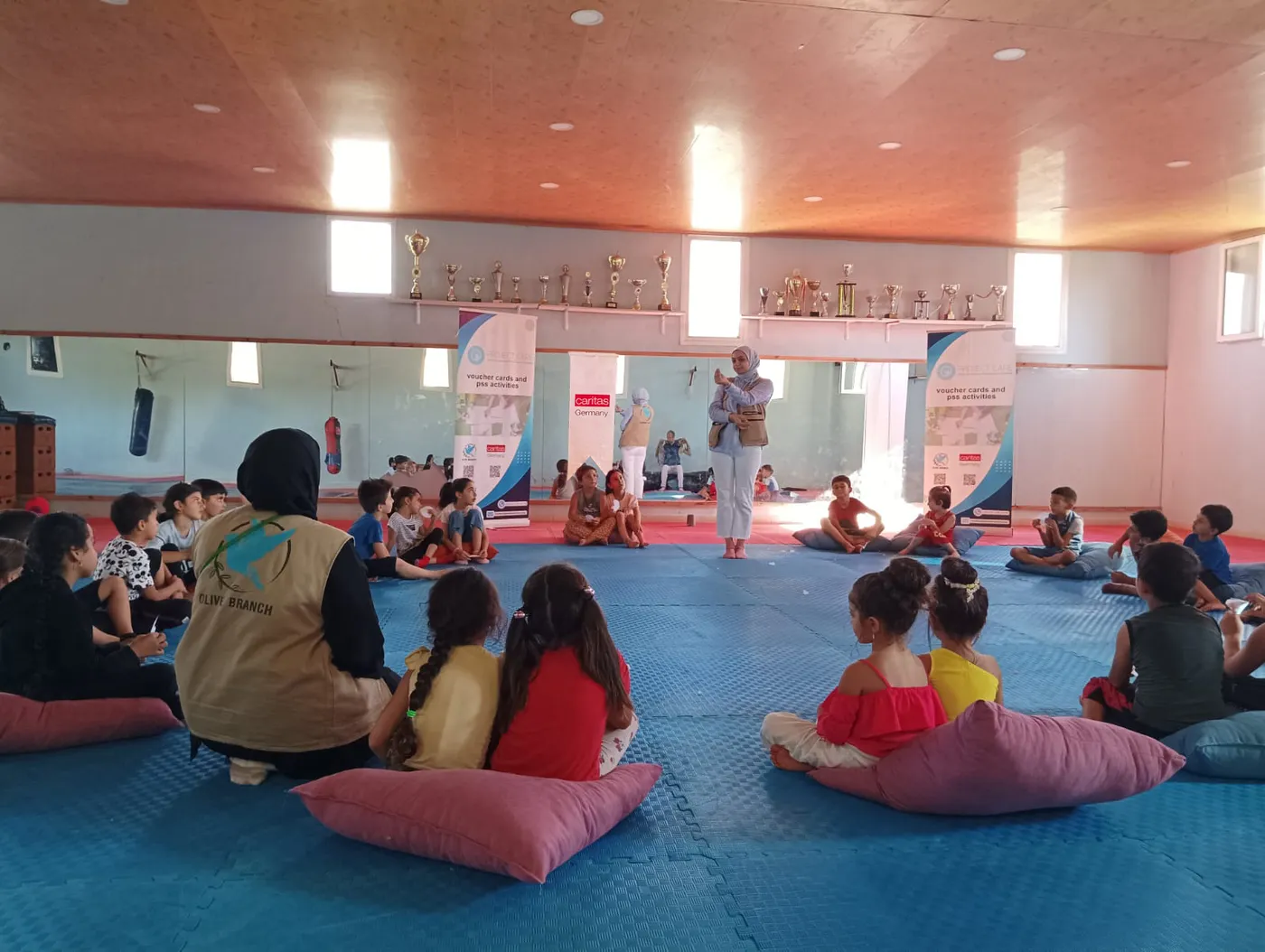
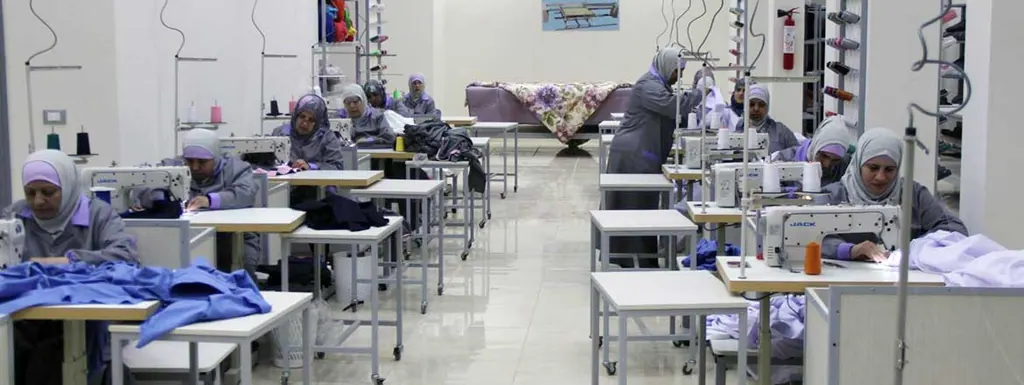
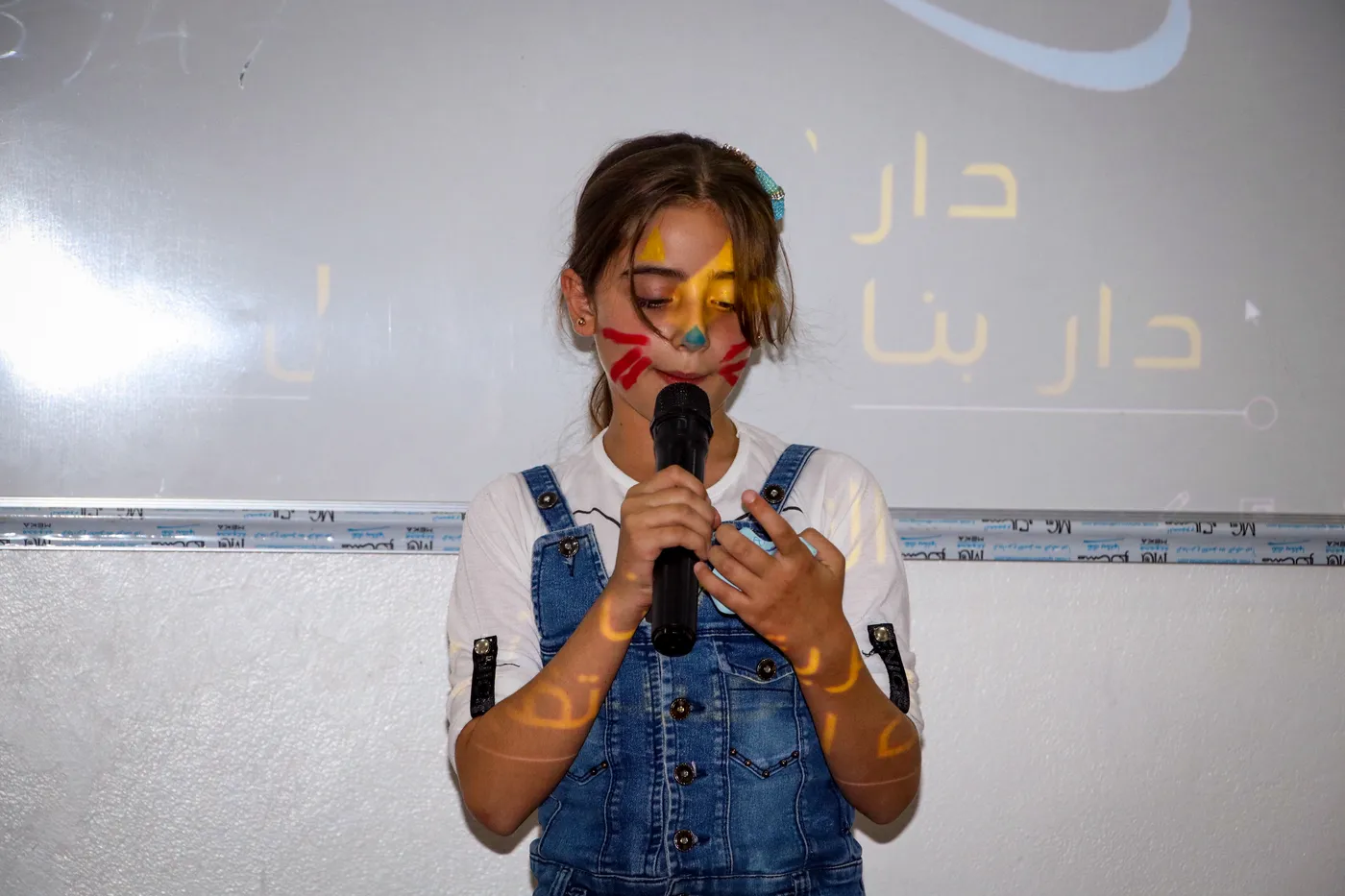
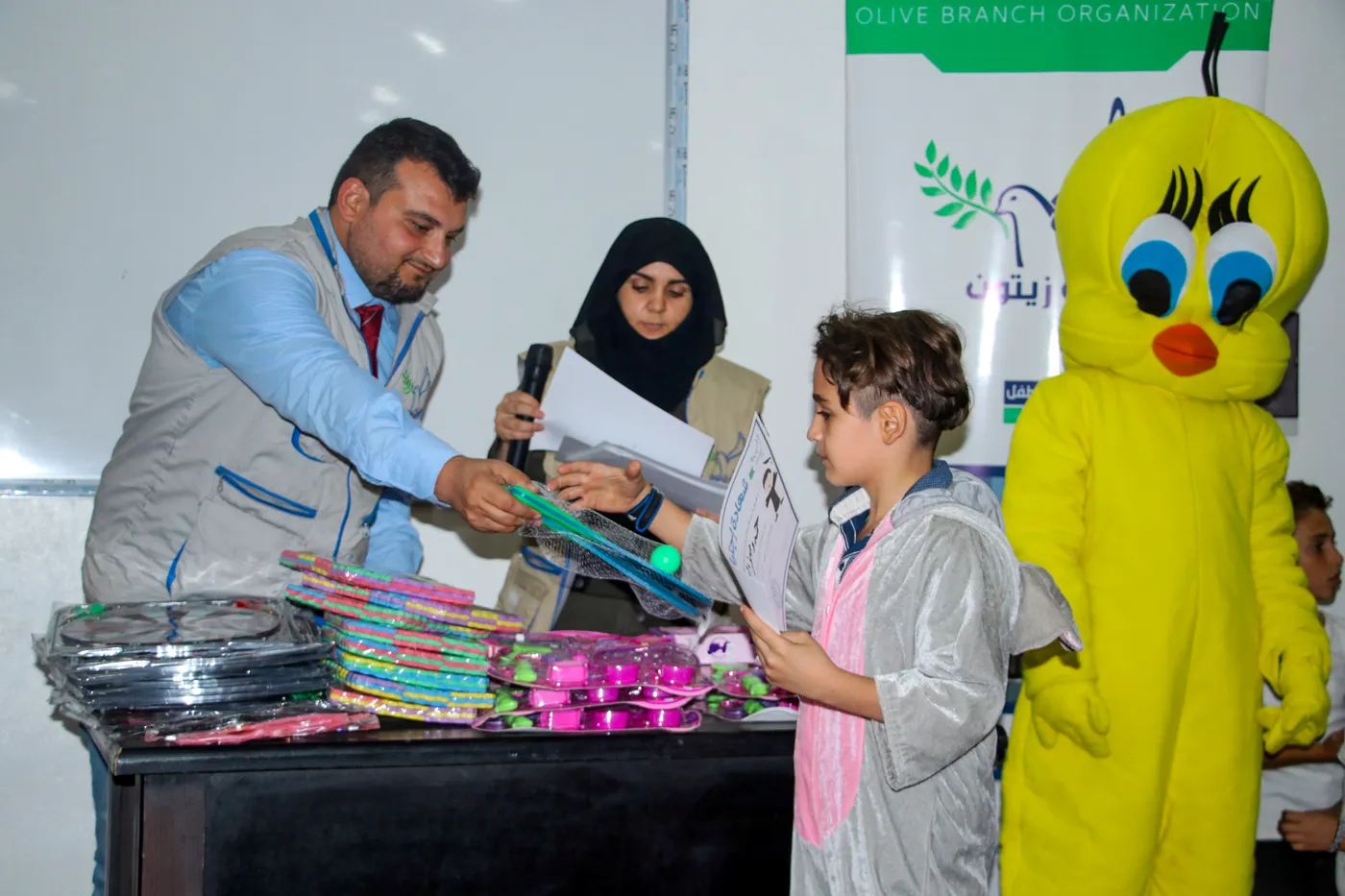
Shared spaces for learning and participation. From our community programme archive.
Theory of change
How change happens
Our theory of change connects the context we work in, the assumption we build on, the change pathways we follow and the impact we are aiming for.
01The context
02Our core assumption
03Six change pathways
04The outcomes
05The impact
01
The context
Olive Branch works across multiple and interconnected contexts. Syria is the primary context of intervention, in a transitional phase after years of protracted conflict marked by social fragmentation, weakened institutions and declining trust. At the same time we work with Syrian refugees in host countries, and with host communities affected by displacement.
Economic pressure, unemployment and weakened livelihoods
Psychosocial challenges from accumulated trauma and prolonged conflict
Social tensions and weakened trust between community groups
Child protection concerns and the mental health of children
Limited youth capacity and restricted civic participation
Limited civil society influence on public policy
Fragile legal and protection conditions for refugees and returnees
02
Our core assumption
If communities inside Syria are supported through integrated interventions that combine quality education, psychosocial support, economic empowerment and peacebuilding; if children and youth are systematically invested in through educational, creative and psychosocial pathways; if Syrian refugees in host countries are comprehensively empowered, economically, educationally, psychosocially and legally, while being connected to return contexts and local communities inside Syria; and if civil society is strengthened and evidence-based advocacy is activated to transform exclusionary policies and structural barriers, then social cohesion grows, conflict dynamics reduce, and sustainable and inclusive peace takes root.
03
Our six change pathways
01
Community recovery and peacebuilding
This pathway supports communities inside Syria during recovery and transition through direct, community-based interventions that rebuild trust, manage conflicts and strengthen social cohesion.
More cohesive Syrian communities capable of recovery, managing conflicts peacefully and actively supporting sustainable peace processes.
02
Education for recovery and stability
Education is a strategic lever for long-term recovery, stability and peacebuilding. This pathway strengthens the quality and relevance of education in response to community needs.
A resilient, inclusive and high-quality education system that supports children’s psychosocial recovery, critical thinking, peace and social cohesion.
03
Youth empowerment
Young people are key actors in long-term transformation. This pathway develops their leadership, civic participation and social integration capacities.
Empowered, influential and actively engaged young people who contribute to shaping Syria’s future and advancing sustainable peace.
04
Economic empowerment as a lever for peace
Economic stability is critical to reducing tensions and conflict dynamics while promoting dignity and self-reliance.
Enhanced economic stability that upholds dignity, strengthens self-reliance, and contributes to social cohesion and sustainable peace.
05
Advocacy and strengthening civil society
This pathway fosters a more just and inclusive policy environment while reinforcing civil society’s role in decision-making and public policy.
A stronger, more independent and influential local civil society capable of leading advocacy and contributing to more just and inclusive policies.
06
Refugee and returnee empowerment
This pathway empowers Syrian refugees while linking them to recovery and peacebuilding inside Syria. It connects support in host countries with rights, reintegration and social cohesion in return contexts.
Economically active and legally protected refugees and returnees who contribute meaningfully to stability and sustainable peace.
04
Outcomes we are working towards
Improved mental health and psychosocial wellbeing in conflict-affected communities
A stronger and more resilient education system
Recovered generations able to contribute to stability and sustainable peace
More structured youth participation in civic and political life
Better economic stability and fewer tensions linked to economic fragility
Communities able to manage disputes and conflicts peacefully
A more independent and influential civil society
Better relationships between refugees, returnees and host communities
Stronger rights awareness and access to legal protection
05
The impact we are aiming for
A peaceful, inclusive and just Syrian society in which individuals and communities live with dignity, access opportunities and active civic participation, and are able to recover from the impacts of conflict and build sustainable peace.
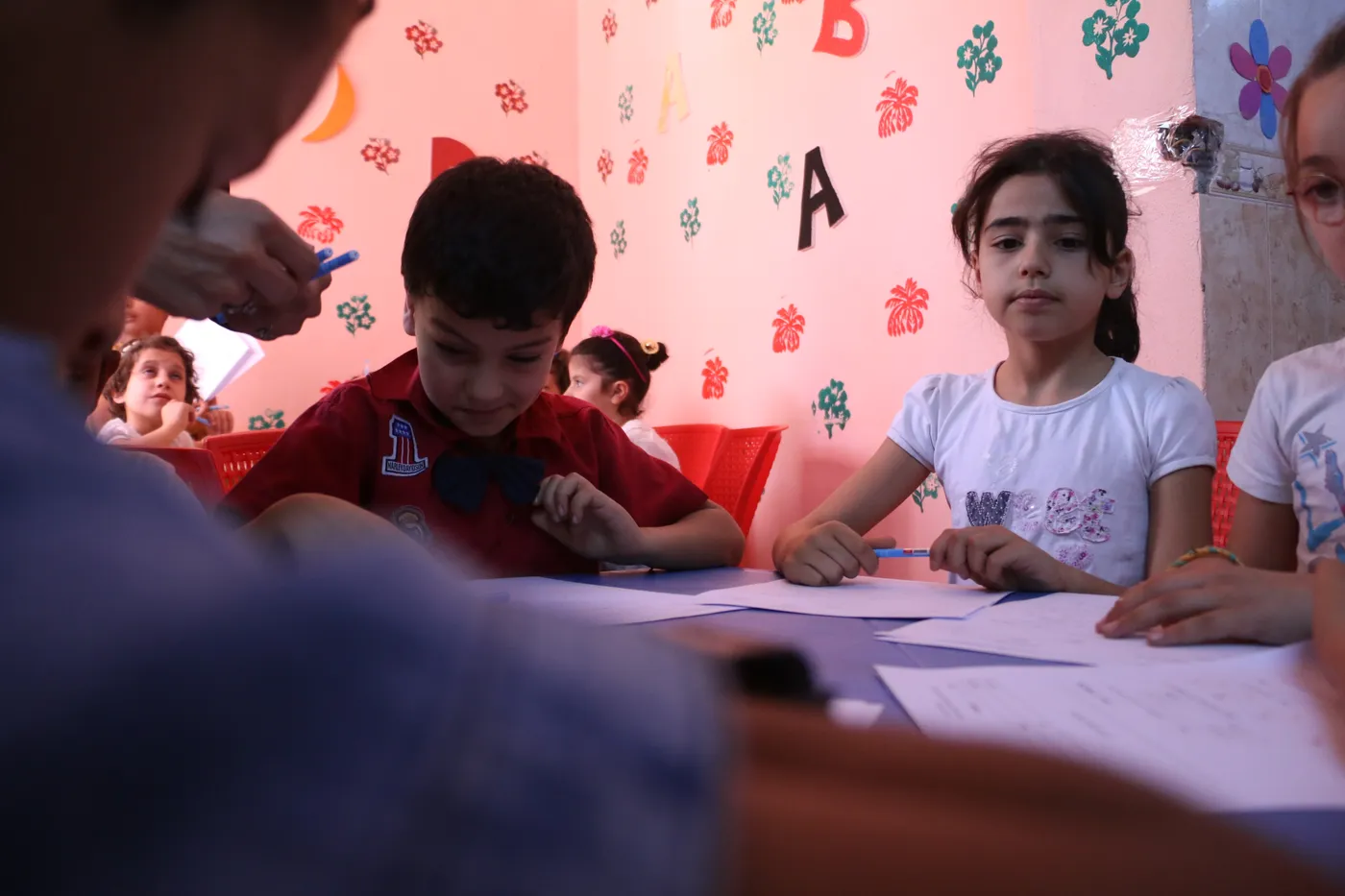
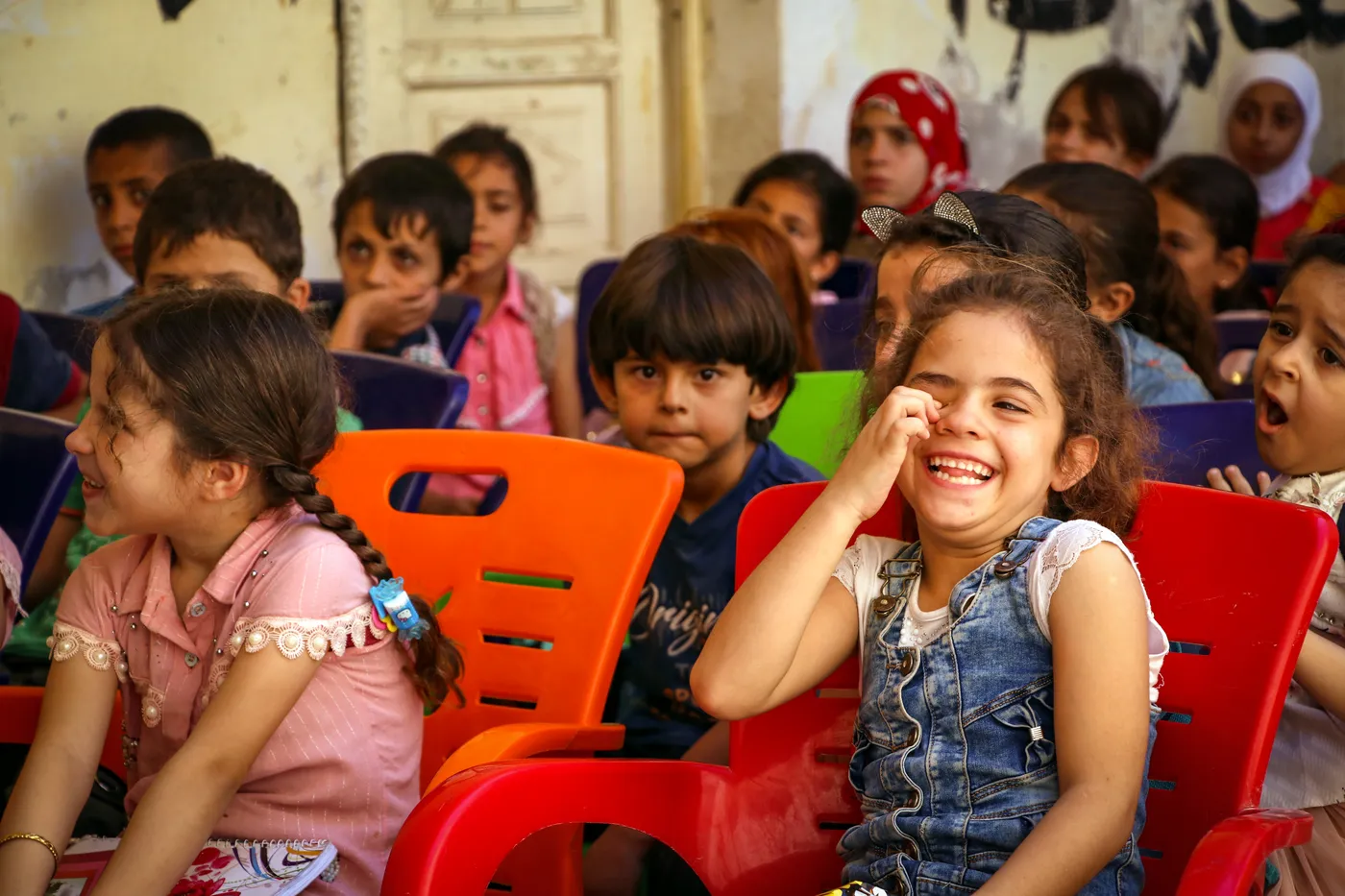
Children at a session in an informal camp classroom. From our community programme archive.
How we work
Six habits shape every programme we run, whatever sector it sits in.
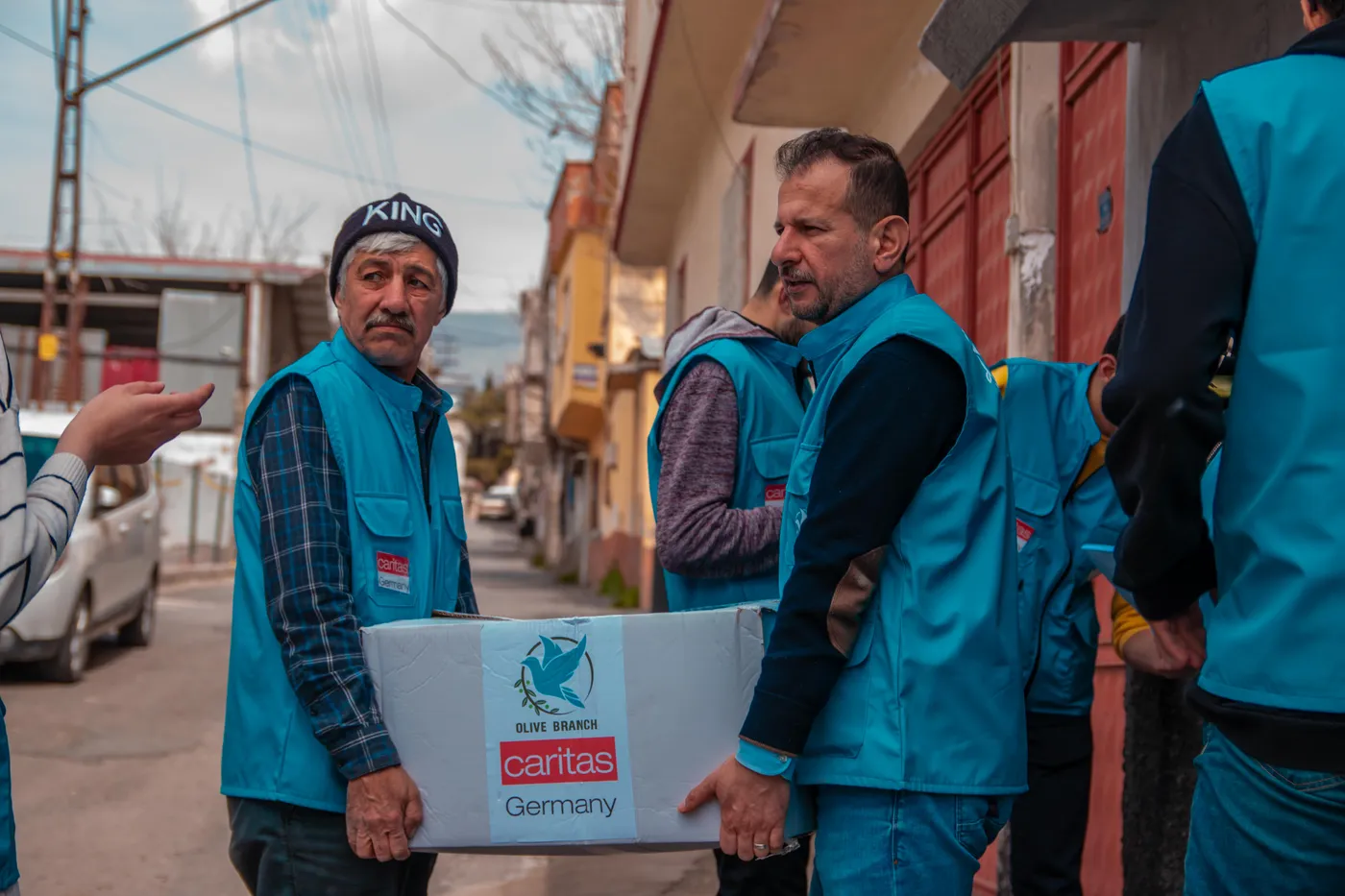
Volunteers in Olive Branch vests carry an aid box to a distribution point. From our programme archive.
With communities, not for them
Programmes are designed with the people they serve, and communities lead the activities inside their own area.
Conflict sensitivity and Do No Harm
We check what we do against the risk of causing harm, and we build peacebuilding into every pathway rather than treating it as a separate project.
Local ownership
We strengthen local organisations, local staff and local leadership so that the work continues without us.
Evidence and learning
Research and lessons feed our own programmes and our advocacy, so the policy we push for is based on what the evidence shows.
Integrated delivery
Education, psychosocial support, livelihoods and peacebuilding are planned together, because families experience them together.
Across the displacement and return continuum
Support given to a family in Türkiye stays connected to its community in Syria, and to the return process when the time comes.
Where we focus
Three connected settings, and six working areas inside them. We do not treat them as separate problems, because the people we work with do not experience them separately.
Syria, our primary context
Recovery, peacebuilding, restored social cohesion and the capacity of communities to overcome the effects of conflict. Most of our long-term work is here.
Türkiye, where host country work happens
Alongside host communities affected by displacement, we work with Syrian refugees on protection, livelihoods, education and social integration.
Return and post-conflict settings
We support reintegration, rights and knowledge exchange, so that people returning to Syria find services and communities that are ready.
Six priorities carry the strategy to 2030. Explore each one, what we will do, and the change we aim to support.
The road to 2030
2026
The six priorities begin, with learning built into delivery.
2027
Education, psychosocial support, livelihoods and peacebuilding are planned together.
2028
Local organisations, staff and leadership carry the work forward.
2029
The strategy is reviewed as evidence comes in.
2030
A peaceful, inclusive and just Syrian society: the impact we aim for.
01Community recovery and peacebuilding
This pathway supports communities inside Syria during recovery and transition through direct, community-based interventions that rebuild trust, manage conflicts and strengthen social cohesion.
What we will do
1.
Design and implement integrated community-based interventions that rebuild trust, promote inclusive dialogue, and foster positive interaction among local communities, returnees, refugees and host communities.
2.
Support and activate sustainable local mechanisms for conflict prevention, community mediation and peaceful dispute resolution, particularly in post-conflict and return contexts.
3.
Systematically mainstream peacebuilding principles, conflict sensitivity and the Do No Harm approach across all organizational policies, programmes and partnerships.
Programme actions and full objective
Programme actions
Mental health and psychosocial support programmes
Community dialogue and peacebuilding initiatives
Local mediation and conflict management mechanisms
Peacebuilding approaches across all strategic pathways
Strengthening community recovery, social cohesion and sustainable peacebuilding
This objective contributes to more cohesive and recovery-oriented communities in post-conflict and return settings by rebuilding mutual trust and strengthening positive engagement among diverse social groups. It focuses on reducing localized community conflicts by enhancing community capacities for conflict prevention and peaceful management, while reinforcing local mediation mechanisms and sustainable, locally driven solutions.
It institutionalizes peacebuilding and conflict sensitivity as cross-cutting organizational approaches across all interventions, strengthening community safety, belonging and participation. Implemented with education, economic empowerment and youth empowerment pathways, it reflects Olive Branch’s commitment to working alongside communities and enabling them to lead their own recovery and peacebuilding processes.
02Education for recovery and stability
Education is a strategic lever for long-term recovery, stability and peacebuilding. This pathway strengthens the quality and relevance of education in response to community needs.
What we will do
1.
Improve access to inclusive, flexible and high-quality education that supports the psychosocial recovery of children and adolescents while fostering critical thinking and long-term learning pathways.
2.
Build and strengthen the capacities of educators, educational institutions and community-based learning spaces to deliver education that responds effectively to post-conflict needs.
3.
Integrate values of peace, social cohesion and recovery across formal, non-formal and remedial education systems.
Programme actions and full objective
Programme actions
Quality education that fosters creativity and critical thinking
Safe and child-friendly learning spaces
Psychosocial support through play, arts and creative expression
Non-formal and remedial education in post-conflict settings
Stronger educator and local institution capacities
Strengthening education as a lever for recovery, resilience and social stability
This objective positions education as a strategic entry point for long-term recovery and rebuilding social stability in conflict-affected contexts. It enhances the quality and inclusiveness of education systems, ensuring they respond to the psychosocial, cognitive and developmental needs of children and adolescents while strengthening sustainable learning trajectories.
It embeds critical thinking, creativity, peace and social cohesion within educational processes, while reinforcing the capacities of educators and learning institutions to play an active role in community recovery and resilience-building. In combination with youth empowerment and peacebuilding, education is treated as a transformative driver of societal change, not merely service delivery.
03Youth empowerment
Young people are key actors in long-term transformation. This pathway develops their leadership, civic participation and social integration capacities.
What we will do
1.
Strengthen youth leadership, civic and organizational capacities to enable meaningful participation in community initiatives, public life and local decision-making processes.
2.
Provide inclusive and safe platforms for youth engagement through culture, sports, creativity and community action, fostering dialogue and social integration.
3.
Support youth-led initiatives that contribute to peacebuilding, social innovation and community development.
Programme actions and full objective
Programme actions
Youth leadership, civic and organizational capacity
Meaningful participation in public life and local decision-making
Inclusive engagement through sports, culture, arts and community activity
Empowering youth as key actors in long-term change and peacebuilding
This objective positions young people as a central force in rebuilding society and shaping its future by equipping them with the leadership, civic and organizational skills necessary for active participation in public life and local governance. It expands structured opportunities for youth engagement and supports youth-led initiatives in peacebuilding, social innovation and community action.
It strengthens the role of youth as bridges for dialogue and integration among diverse community groups, contributing to reduced exclusion and stronger social cohesion. Implemented with education, economic empowerment and peacebuilding, it supports young people’s transition from beneficiaries to leaders and active partners in shaping the present.
04Economic empowerment as a lever for peace
Economic stability is critical to reducing tensions and conflict dynamics while promoting dignity and self-reliance.
What we will do
1.
Support sustainable livelihood opportunities through small and medium-sized enterprises, social entrepreneurship and community-based economic initiatives.
2.
Strengthen economic, financial and entrepreneurial skills and capacities at individual and community levels to enhance self-reliance and reduce vulnerability.
3.
Advocate for inclusive economic policies and equitable access to opportunities, particularly for women, youth, refugees and returnees.
Programme actions and full objective
Programme actions
Support for small and medium-sized enterprises
Social entrepreneurship and community-based economic initiatives
Economic and financial skills at individual and community levels
Advocacy for economic rights and equitable opportunity
Advancing economic empowerment as a foundation for dignity, stability and sustainable peace
This objective positions economic empowerment as a key driver of human dignity, reduced vulnerability, and the mitigation of community-level tensions and instability. It enhances livelihoods and self-reliance among individuals, households and communities, contributing to greater social stability and easing economic pressures linked to conflict and displacement.
It supports inclusive and equitable local economic environments that expand opportunities for marginalized groups and reduce structural disparities. Delivered alongside recovery, peacebuilding and youth empowerment, it recognizes economic stability and social cohesion as deeply connected, and economic development as an instrument for peace.
05Advocacy and strengthening civil society
This pathway fosters a more just and inclusive policy environment while reinforcing civil society’s role in decision-making and public policy.
What we will do
1.
Strengthen the institutional, technical and coordination capacities of local civil society organizations to enable them to operate effectively, collaboratively and sustainably.
2.
Produce and use evidence-based research and policy analysis to support impactful advocacy on social justice, youth participation and refugee rights.
3.
Build and manage strategic local, national and international alliances and networks to maximize impact, enhance sustainability and influence public policy processes.
Programme actions and full objective
Programme actions
Research and policy analysis
Legal and rights-based support
Rights-based advocacy initiatives
Institutional capacity for local civil society organizations
Effective local and international alliances
Strengthening civil society and advancing rights-based advocacy for more just and inclusive systems
This objective reinforces the structural role of civil society organizations as key actors in rebuilding the social contract and shaping public policy, particularly in fragile and transitional contexts. It strengthens their capacity to operate effectively and independently through participatory and evidence-based approaches that support long-term sustainability and systemic influence.
It advances research-driven advocacy and expands civic alliances and networks capable of influencing policy frameworks and governance processes. Integrated across every other objective, it recognizes civil society as a cross-cutting pillar of systemic transformation and moves beyond responding to immediate needs alone.
06Refugee and returnee empowerment
This pathway empowers Syrian refugees while linking them to recovery and peacebuilding inside Syria. It connects support in host countries with rights, reintegration and social cohesion in return contexts.
What we will do
1.
Protect and promote the legal and humanitarian rights of refugees and returnees, including advocacy against forced return and efforts to combat discrimination.
2.
Provide integrated support to refugees and returnees, including economic empowerment, psychosocial support and education, to strengthen resilience and self-reliance.
3.
Foster positive interaction, reintegration and knowledge exchange between refugees, returnees and local communities, while strengthening links with diaspora networks.
Programme actions and full objective
Programme actions
Protection of legal and humanitarian rights, including non-refoulement
Economic empowerment, livelihoods and psychosocial support
Positive social integration with host communities
Rights, protection and economic reintegration for returnees
Links between local communities and diaspora networks
Ensuring comprehensive empowerment and protection for refugees and returnees across the displacement-return continuum
This objective positions refugees and returnees as key actors in recovery and peacebuilding rather than solely as beneficiaries of humanitarian assistance. It enhances legal protection and rights awareness while strengthening psychosocial resilience and economic self-reliance.
It promotes positive relationships and social cohesion between refugees and host communities, and between returnees and local communities, while connecting them to recovery pathways inside Syria and in host countries. Integrated with economic empowerment, peacebuilding and civil society objectives, it provides a comprehensive response across the displacement and return lifecycle.
The values behind our work
These commitments guide how we work with communities, partners and one another.
Innovation and creative solutions
We embrace innovation, creativity and responsible experimentation to develop context-responsive solutions that address complex challenges, amplify community potential, and strengthen peace, resilience and sustainable impact.
Peaceful coexistence, non-violence and conflict sensitivity
We believe in resolving conflicts through dialogue, inclusion and non-violent approaches. We are committed to conflict-sensitive action and reject all forms of violence, hatred, exclusion and harm.
Inclusion and social justice
We are committed to ensuring equal opportunities and fair participation, defending marginalized groups, and addressing all forms of discrimination and structural inequality.
Community empowerment and local ownership
We view communities as active partners and leaders of change, and promote local ownership, collective agency and sustainable community-led action.
Human dignity and rights
We respect the inherent dignity of every individual and adopt a rights-based approach that centers protection, equity and empowerment in all our interventions.
Integrity, transparency and accountability
We uphold the highest ethical standards, ensure transparency in our work, and remain accountable to communities, partners and donors.
Solidarity and collaborative action
We believe in the power of solidarity, cooperation and partnerships to achieve collective impact and strengthen peace, social cohesion and shared responsibility.
Learning, adaptability and evidence-based practice
We value continuous learning, reflection and adaptability, and ground our actions and advocacy in evidence, knowledge and community-informed insights.
The full strategy, to read or to share
The Strategic Plan 2026-2030 is available as a document you can download, print and pass on to partners and colleagues.