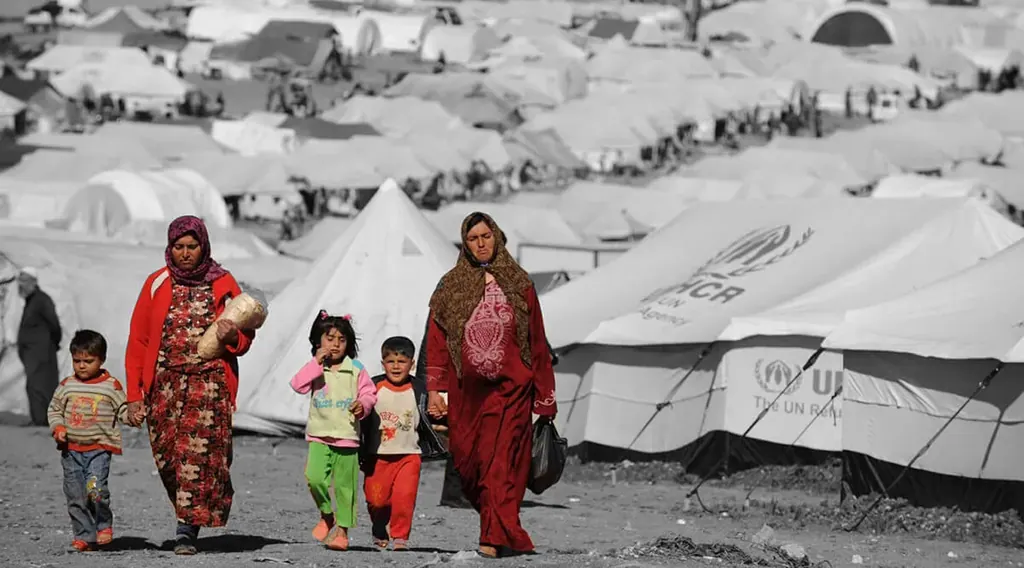
Olive Branch has worked since 2012 across Syria and Türkiye. Our programmes cover community recovery and peacebuilding, education, youth empowerment, economic empowerment, civil society, and support for refugees and returnees.
This page sets out the figures the organisation has reported, the stories that come with them, and how we work out whether the work is making a difference.
How to read these figures
The numbers below were reported by the organisation on its previous website. The reporting period is not specified, and the programmes behind them overlap, so these figures must not be added together. We publish them as they were reported, with that limit stated rather than hidden.
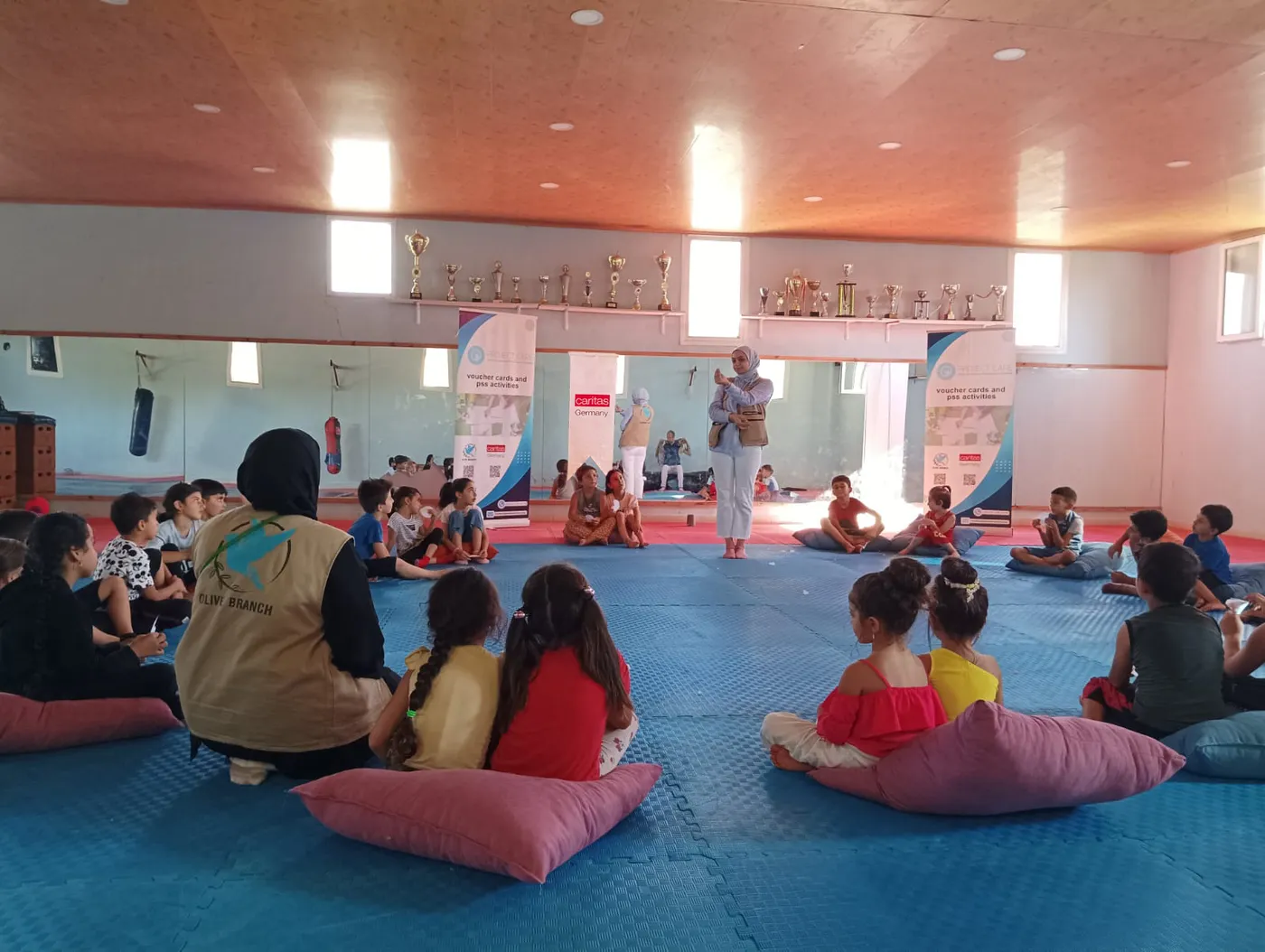
Community sessions. From our programme archive.
The figures we report
The six headline numbers published by the organisation on its previous website, covering education, protection, livelihoods, youth work and shelter support.
301,200
Children in education
250,040
Children in protection
25,050
In livelihood
2,507
Women & youth empowered
5,000
Teachers trained
252,200
IDPs in shelters
150
Child centres
8
Women / youth centres
10
Vocational training centres
The three figures in the row above count centres rather than people, so they cannot be compared with the reach figures. And because the reporting period is not specified and the programmes overlap, none of these numbers should be added together.
Numbers by working area
Our six working areas come from the strategy for 2026 to 2030. The grouping below is how we organise the figures above: it places each reported figure under the pathway it belongs to. It is our own organisation of the reported numbers, not new data.
Community recovery and peacebuilding
Rebuilding trust, managing conflicts and restoring social cohesion inside Syria.
250,040Children in protection
252,200IDPs in shelters
Education for recovery and stability
Safe learning spaces, trained educators and education that builds critical thinking.
301,200Children in education
5,000Teachers trained
150Child centres
Youth empowerment
Young people as leaders, decision makers and bridges between communities.
2,507Women & youth empowered
8Women / youth centres
Economic empowerment
Livelihoods, enterprise and financial skills that protect dignity and reduce tension.
25,050In livelihood
10Vocational training centres
Advocacy and civil society
Stronger local organisations, evidence and alliances that shape policy.
We have not reported separate figures for this working area. The work is recorded in our project archive and in our news.
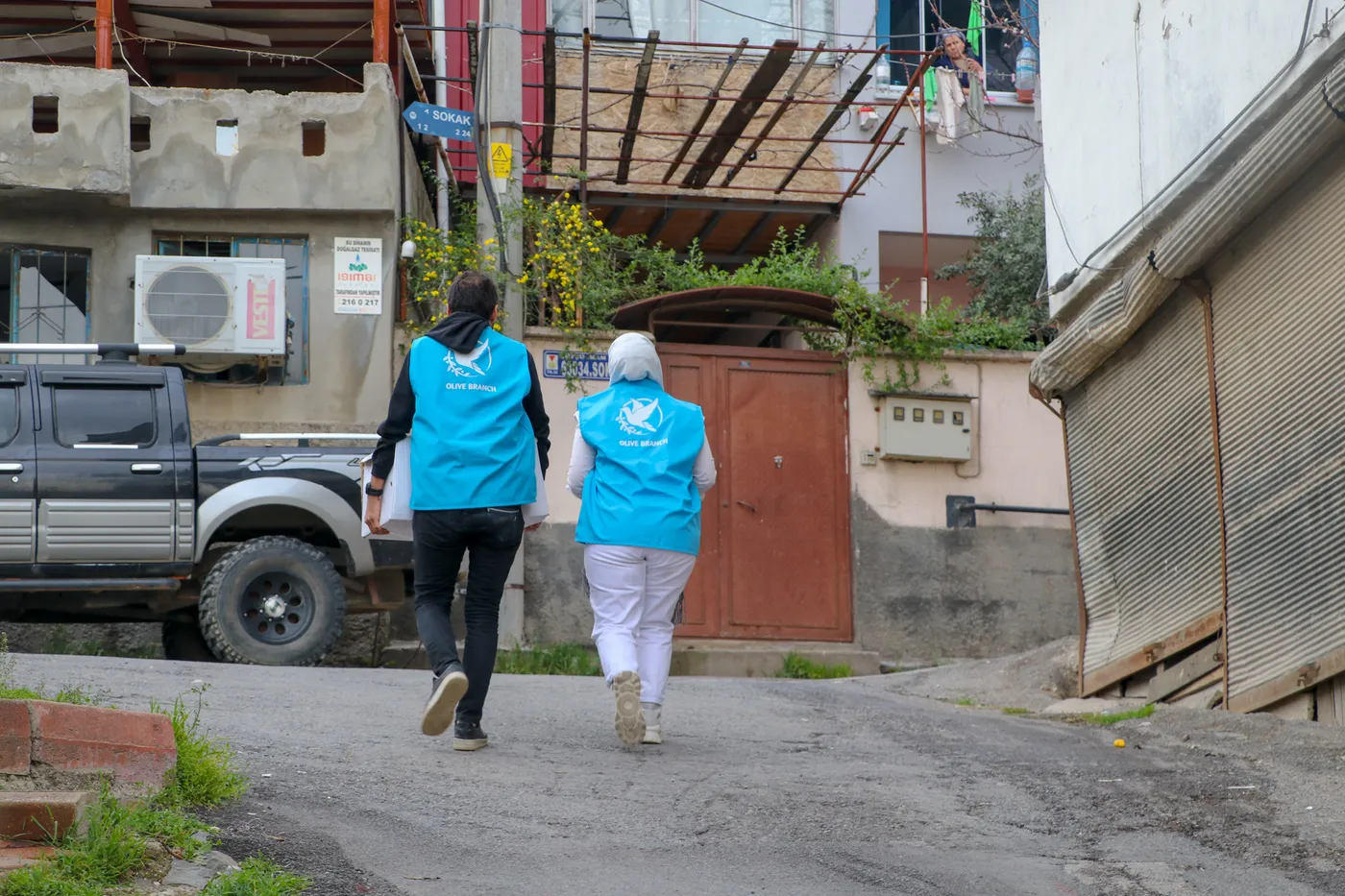
Field reports and archived project records from our work with communities. Every story links to the report it came from.
Change story
Water and displacement in south-east Türkiye
The municipal water infrastructure programme reached 838,000 people across five districts, including 165,000 people under temporary protection, and supported 2,400 jobs.
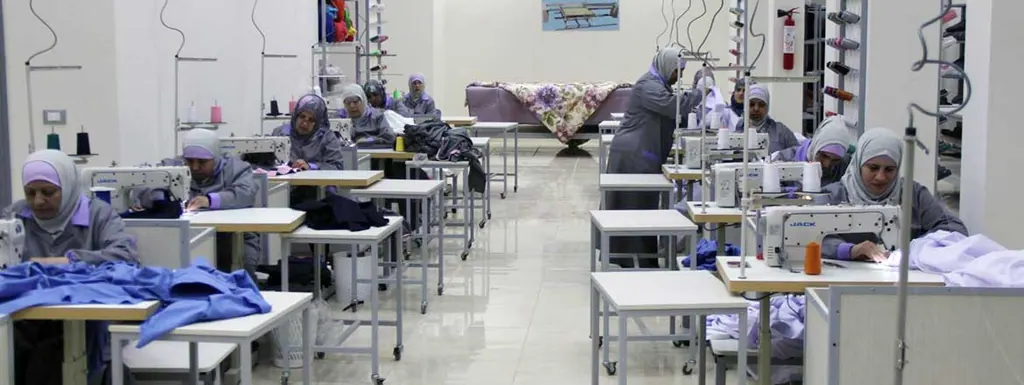
A home-based production programme supported 120 adults with five staff, keeping women earning close to home while their children attended learning centres.
Counting activities is easier than counting change. Our approach to measuring it comes from the strategy for 2026 to 2030.
Outcomes defined for each pathway
Every change pathway in our strategy states the change it aims to support. We start from that outcome when we plan and review a programme, not from the number of activities delivered.
Community feedback and learning
Communities are partners and leaders of change, not only participants. Their feedback shapes the programme and is read again as the work goes on.
Research and policy analysis
Research and policy analysis feed our advocacy, so local organisations take evidence into public policy and can make a stronger case for the people they serve.
Do No Harm and conflict sensitivity
Every programme is checked against the Do No Harm approach and conflict sensitivity, so that the support we give does not create new risk for the people who receive it.
Our programmes are built to keep providing after the emergency phase has passed, so that communities are not left without support when a project ends.
Local ownership
Communities take part in deciding what is needed and how it is delivered, so services are designed and run with local organisations and local teams.
Stronger local civil society
We invest in the institutional and technical capacity of local civil society organisations, so they can keep delivering services and advocating after a project closes.
Education and livelihoods that continue
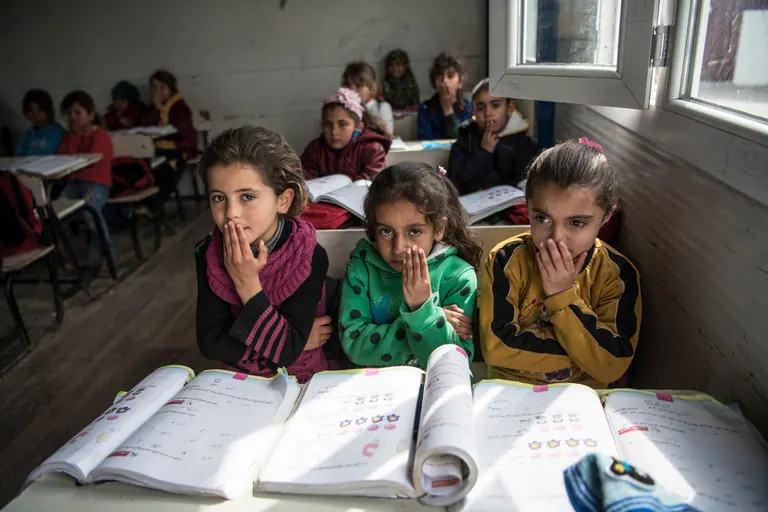
Learning centres, remedial education and home-based production are set up as durable local services rather than short-term campaigns that end with the funding.
Across the displacement and return continuum
Support for refugees in host countries, for returnees and for communities inside Syria is connected, so that people are not left behind at the point of return.
Olive Branch works alongside communities in Syria and Türkiye on education, protection, livelihoods, youth, civil society and peacebuilding. If you want to support that work, or simply to talk about it, we would like to hear from you.